
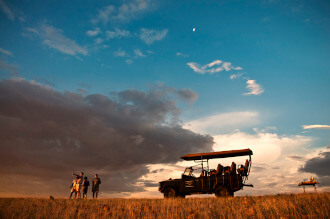
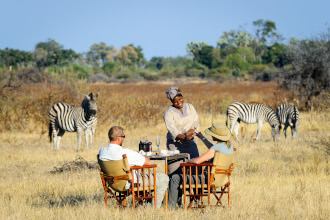
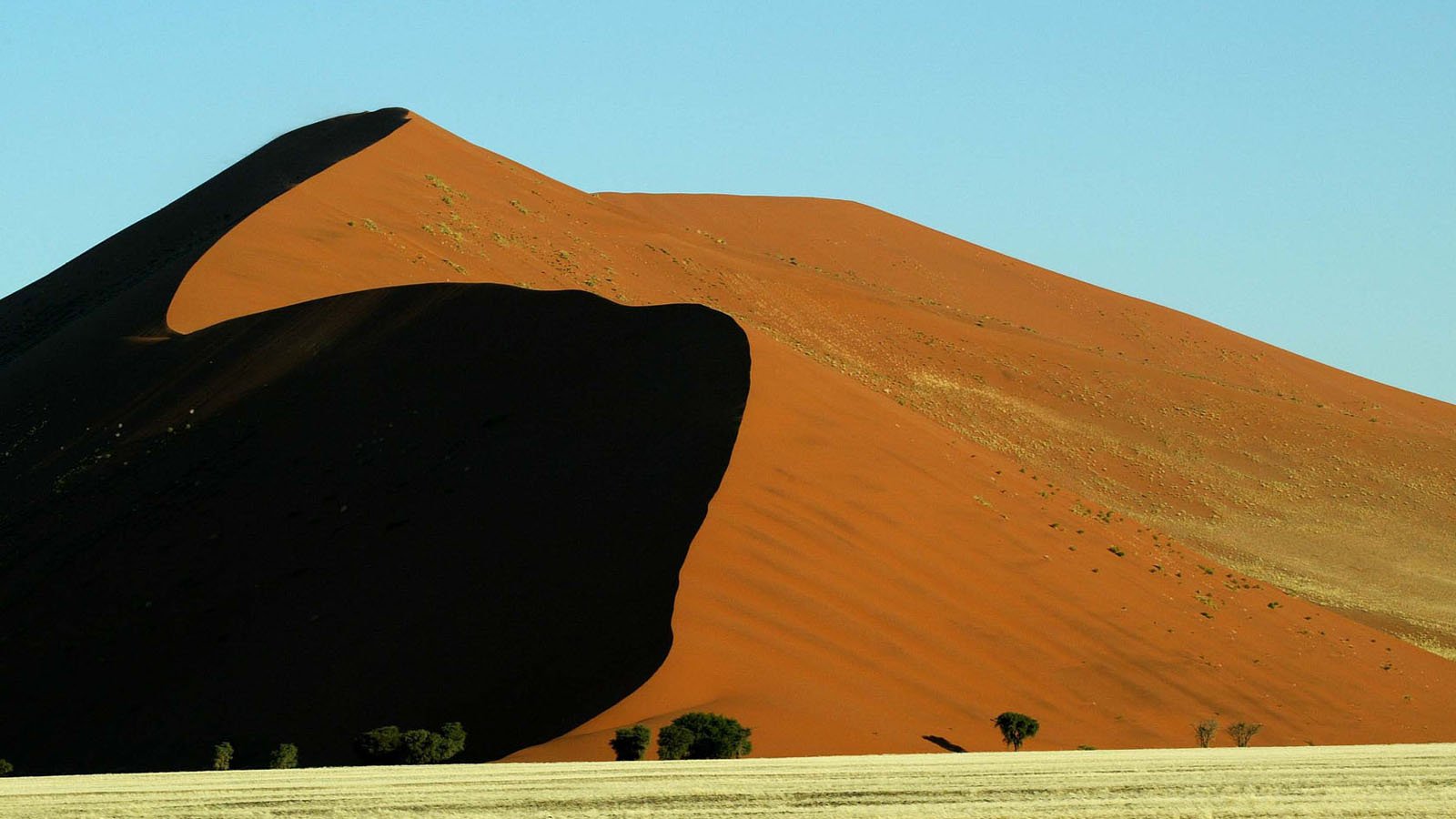
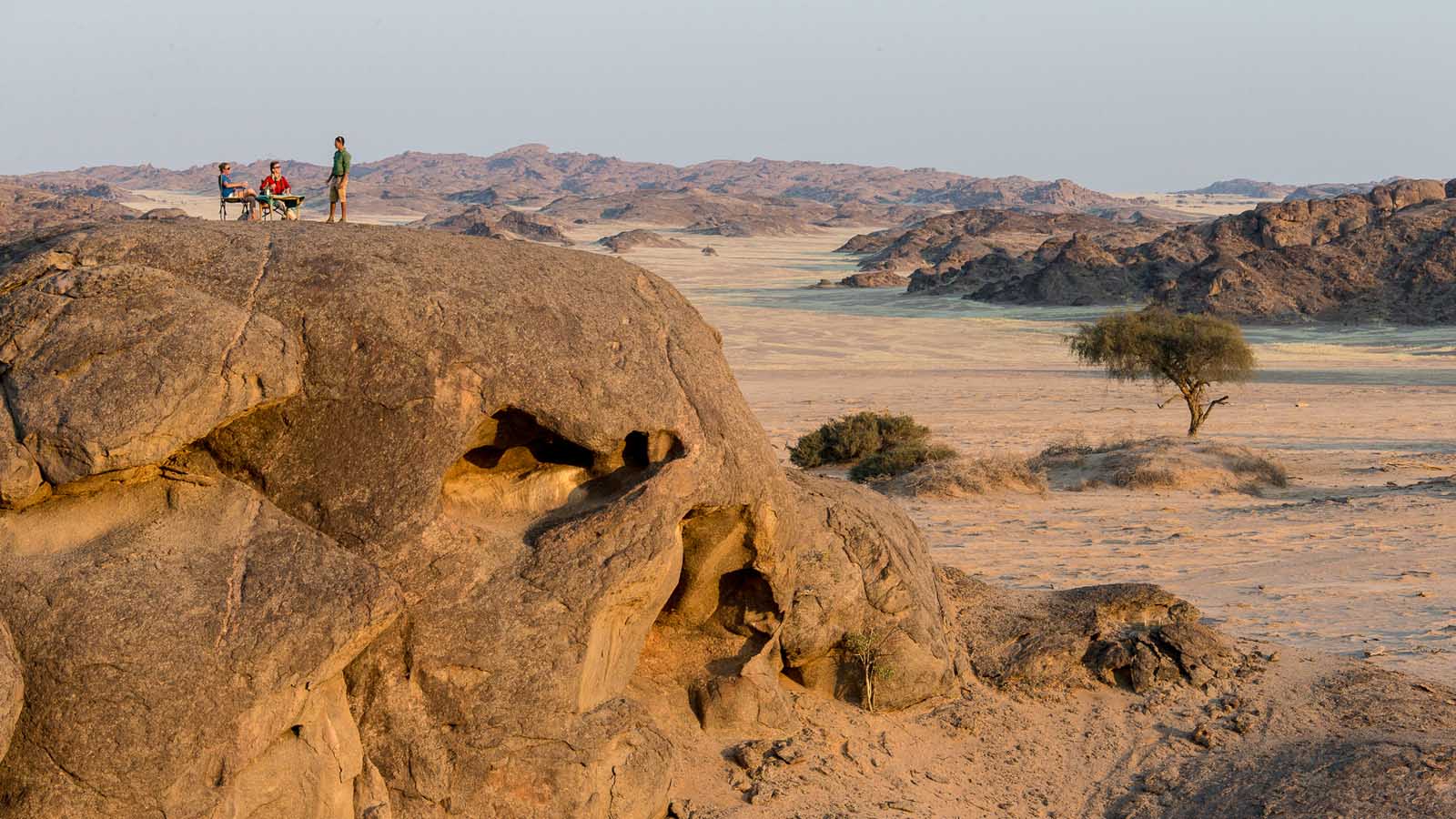
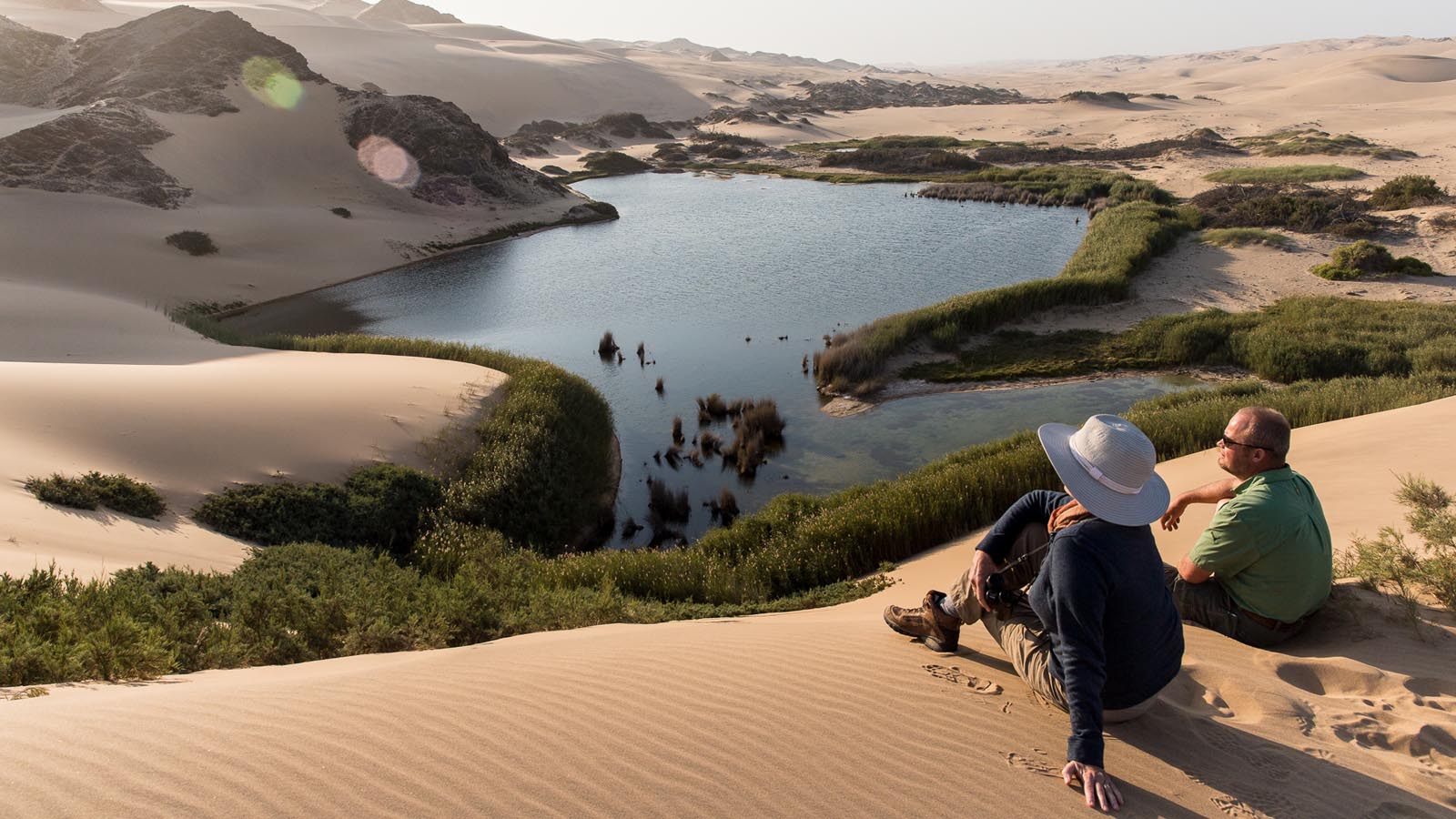
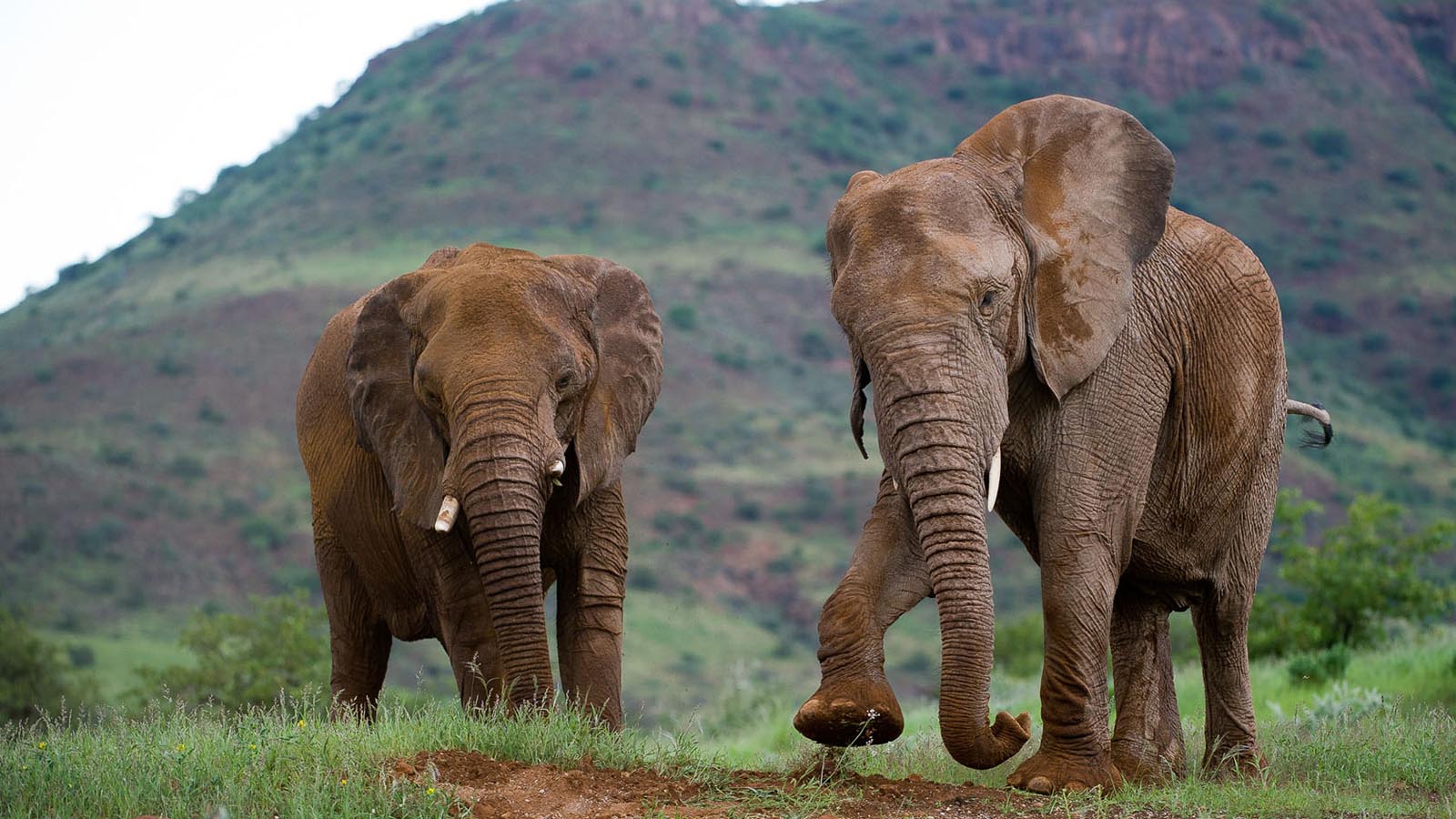
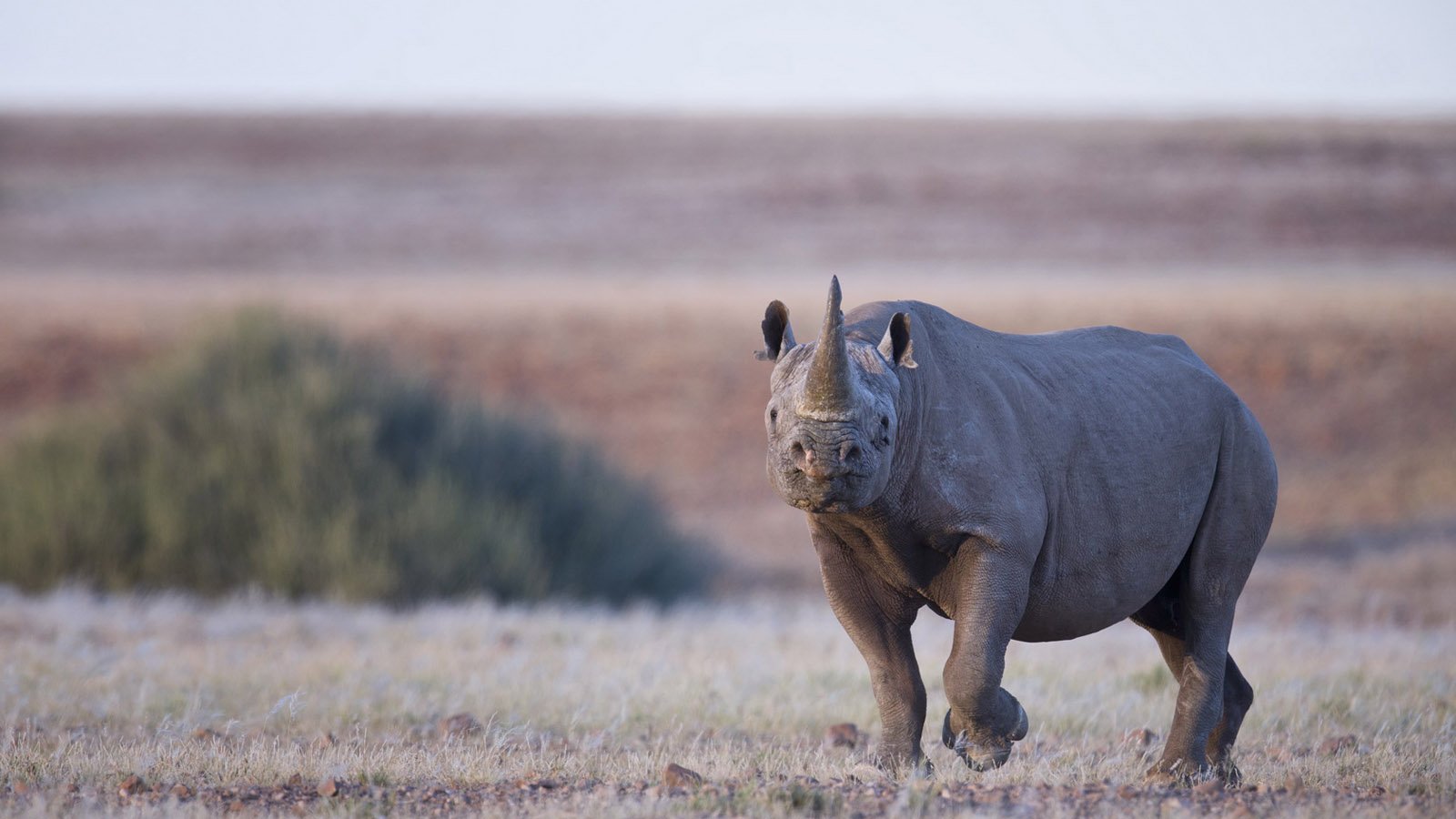
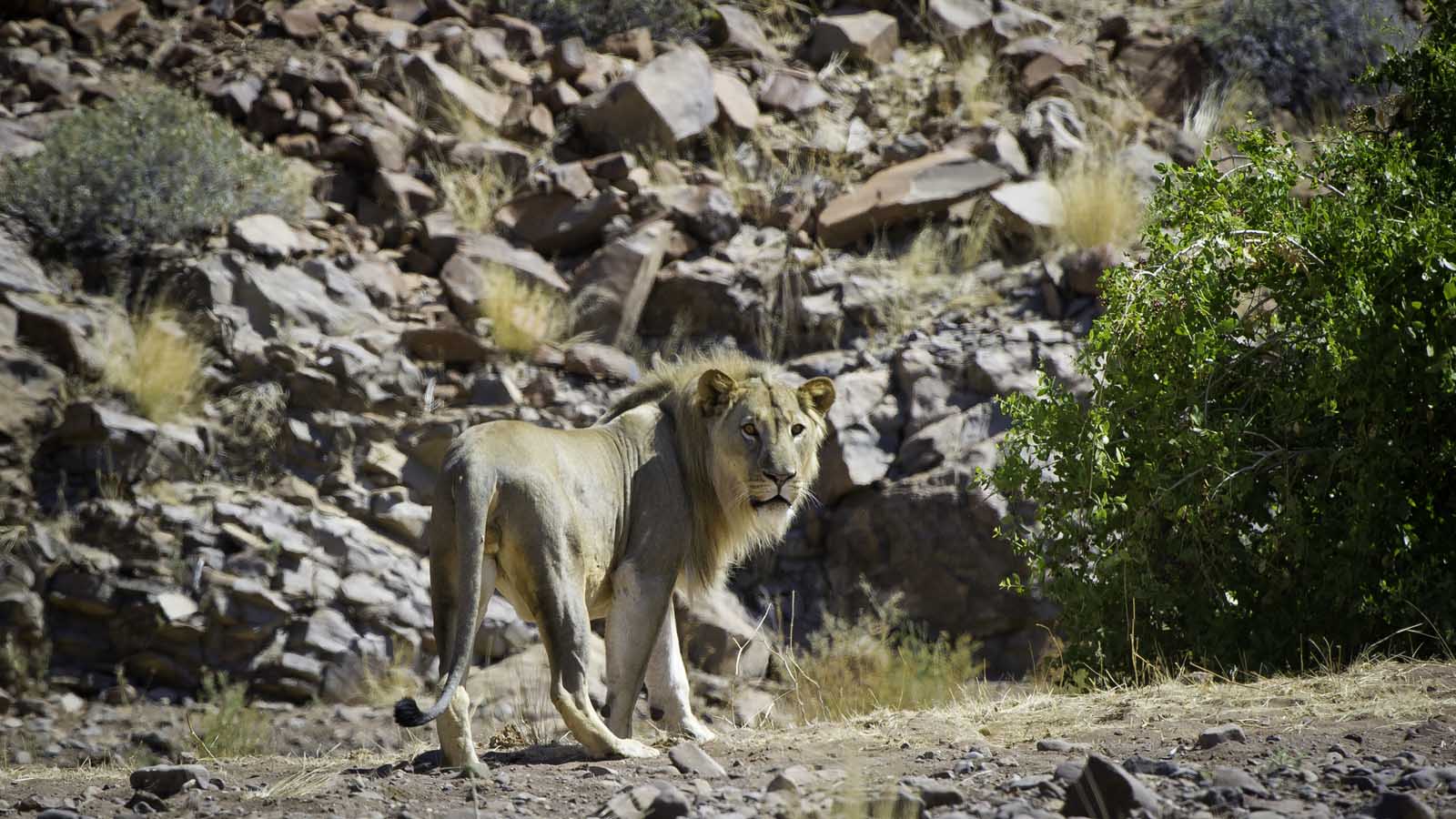
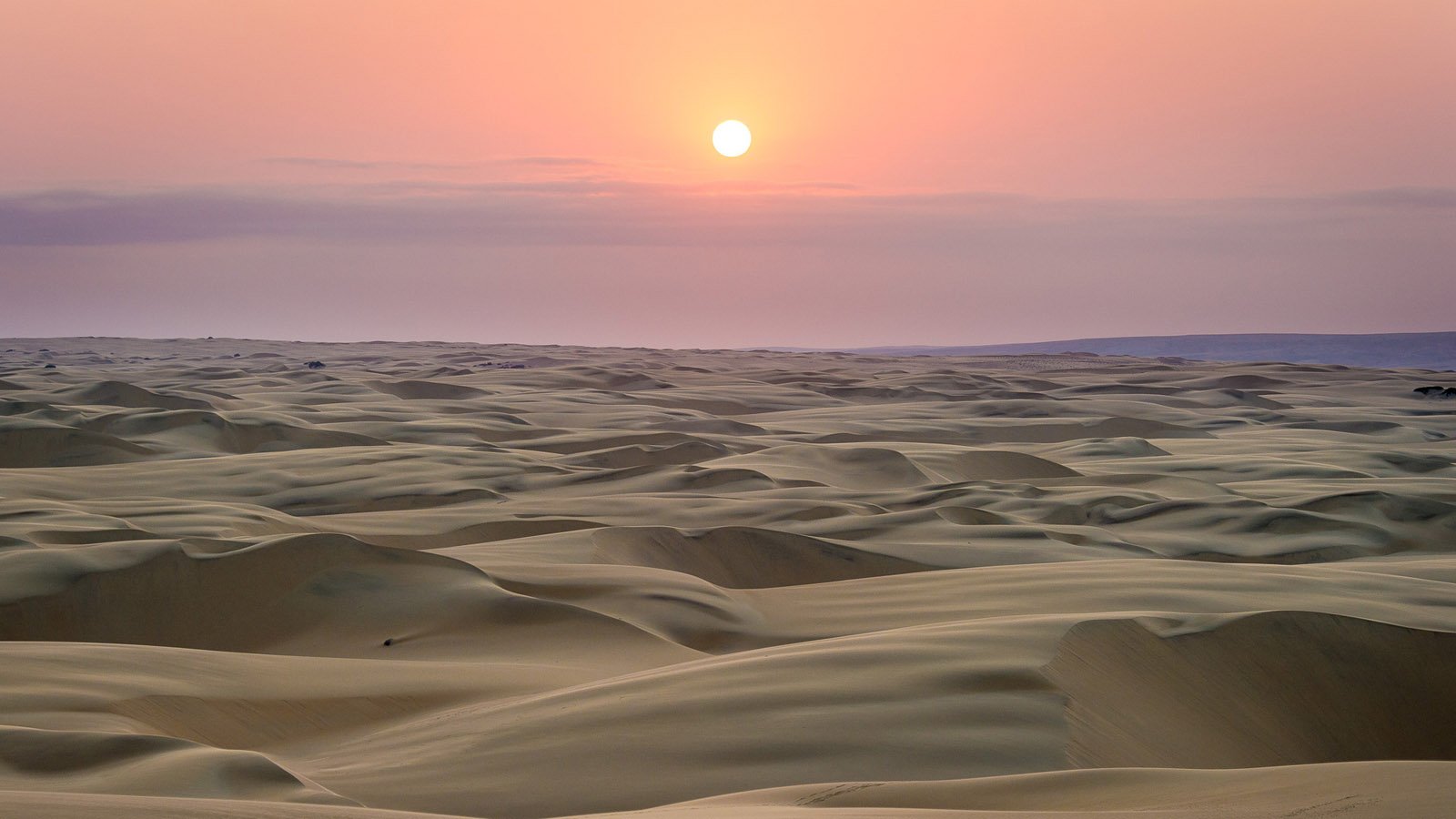




Namibia is a stunning country quite unlike any other destination, either in Africa or elsewhere. With the oldest desert on earth and the largest sand dunes in the world, Namibia's scenery is absolutely mind-blowing, and this is the country's main draw. Namibia does have populations of the world's only desert elephant and desert black rhino (both species uniquely adapted to survival in the inhospitable desert), so a Namibia Holiday also offers a unique game viewing experience.
OUR TOP EXPERIENCES
Swakopmund adrenaline adventures

Meet the Himba Tribe

Skeleton Coast flying safaris

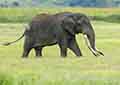
Extraordinary desert-adapted wildlife

Our top 5 reasons to take a Namibia holiday
1. The reasons to visit Namibia start and end with its magnificent (and magnificently varied) scenery. This is a photographer’s paradise - see why in our blog.
2. One of the most remarkable existences on earth has been carved out by the Himba tribe of Namibia. Living with very little water, they have adapted by bathing in smoke and caking their skin to retain water. A visit to the Himba is an unparalleled cultural experience.
3. Namibia’s vast expanse offers a great variety of landscape and experiences – from the famous red sand dunes of Sossusvlei, to the wild and haunting Skeleton Coast, and the dense green bush and action packed game drives on the salt pan of Etosha National Park. For more information on Namibia as the alternative African wildlife experience, click on the link.
4. There are few places in the world today that retain such a remote, untouched environment as Namibia. In a country 4x the size of England but with a population of only 1.2 million, if you’re after absolute isolation, you can find it here!
5. In addition to the dramatic landscapes for which it is so famous and the amazing game drives you can enjoy as a result, Namibia also offers a good range of adrenaline sports (Swakopmund is famous for sandboarding, sky diving, quad biking and paragliding), and authentic wildlife experiences. This is the only place on earth to see the remarkable desert elephant and desert rhino, and Etosha National Park has a good variety of game.
Where is Namibia?
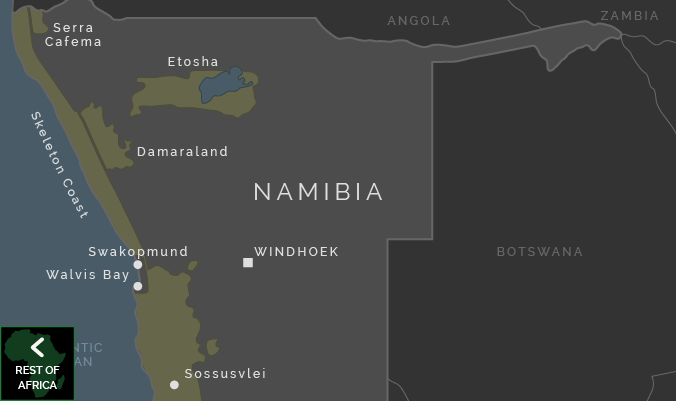
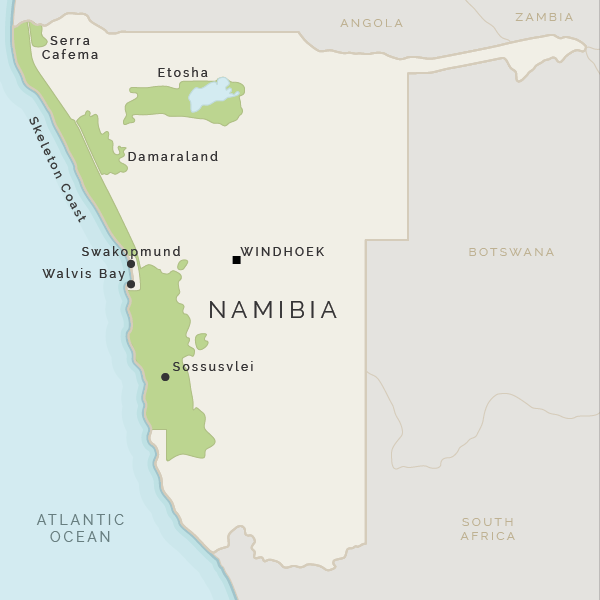
Namibia is in Southern Africa on the west coast, and is bordered by South Africa, Botswana, Zambia & Angola.
Namibia’s geography can be split broadly into five geographical areas: the Central Plateau, the Namib Desert, the Great Escarpment, the Bushveld, and the Kalahari Desert.
The wide, flat Central Plateau runs from north to south and the majority of Namibia’s population and economic activity takes place here. The Great Escarpment runs from Angola through Namibia to South Africa, creating a dramatic backdrop to the gravel plains of the Namib Desert. The Bushveld in the north is greener than most of the rest of Namibia, enjoying annual flooding (Etosha Pan) and a cooler climate. The Kalahari is a huge desert area which spans South Africa, Namibia and Botswana. The Kalahari is not just sand, however; it is home to a variety of localised environments some of which are incredibly lush and green, for example the Karoo.
For more information take a look at the map of Namibia below.
Map of Namibia

Namibia Safari Holidays: When to visit
As Namibia does not experience such extreme swings in temperature / humidity / rainfall as much of the rest of Africa, you can choose to visit just about any month of the year.
Having said that, the best time to visit for a Namibia Holiday, much like the rest of safari Africa, is during the dry season, from June to October. At this time the weather is cooler and drier, the grasses and foliage are sparser, and the game concentrates around water holes, resulting in a better game viewing experience. The air is clear and star-gazing is at its peak. Temperatures begin to rise in September, and by October the weather is generally quite hot.
History of Namibia
Formerly known as German South-West Africa, and then South West Africa, Namibia attained independence from South Africa in 1990 and has remained stable ever since. Its human history of the last century was shaped around diamonds, the discovery of which in 1908 prompted an influx of Europeans, particularly Germans as Namibia was at that time a German colony. For a bit of historical and present day culture you can also head over to the small town of Walvis Bay.
About half of the population depends on agriculture, however mining is the single most important contributor to the economy. Mining in Namibia is predominantly for gem diamonds, uranium, gold, silver, and base metals.
Is Namibia safe?
Tourism plays a major part in Namibia’s economy, and its natural resources are well looked after for this reason - Namibia is thus used to tourism and is perfectly safe. However, please see the government guidelines for up to date information.
the best Namibia lodges
Namibia Safari Itineraries
Namibia: Getting around
Most visitors arrive into Windhoek’s International Airport. Unfortunately there are very few direct flights from Europe, and most travellers fly via Johannesburg, where there are frequent connections. If you wish to visit the fish river canyon then driving is the only option. Namibia has an excellent and well-maintained road network (however note that many roads are gravel and can be dangerous if taken at speed). Road transfers are therefore popular and economical, and self-drive is an option.
However the vast distances involved make flying transfers a better prospect, particularly when visiting the northern parts.
Namibia: Where to stay
Sossuslvei:
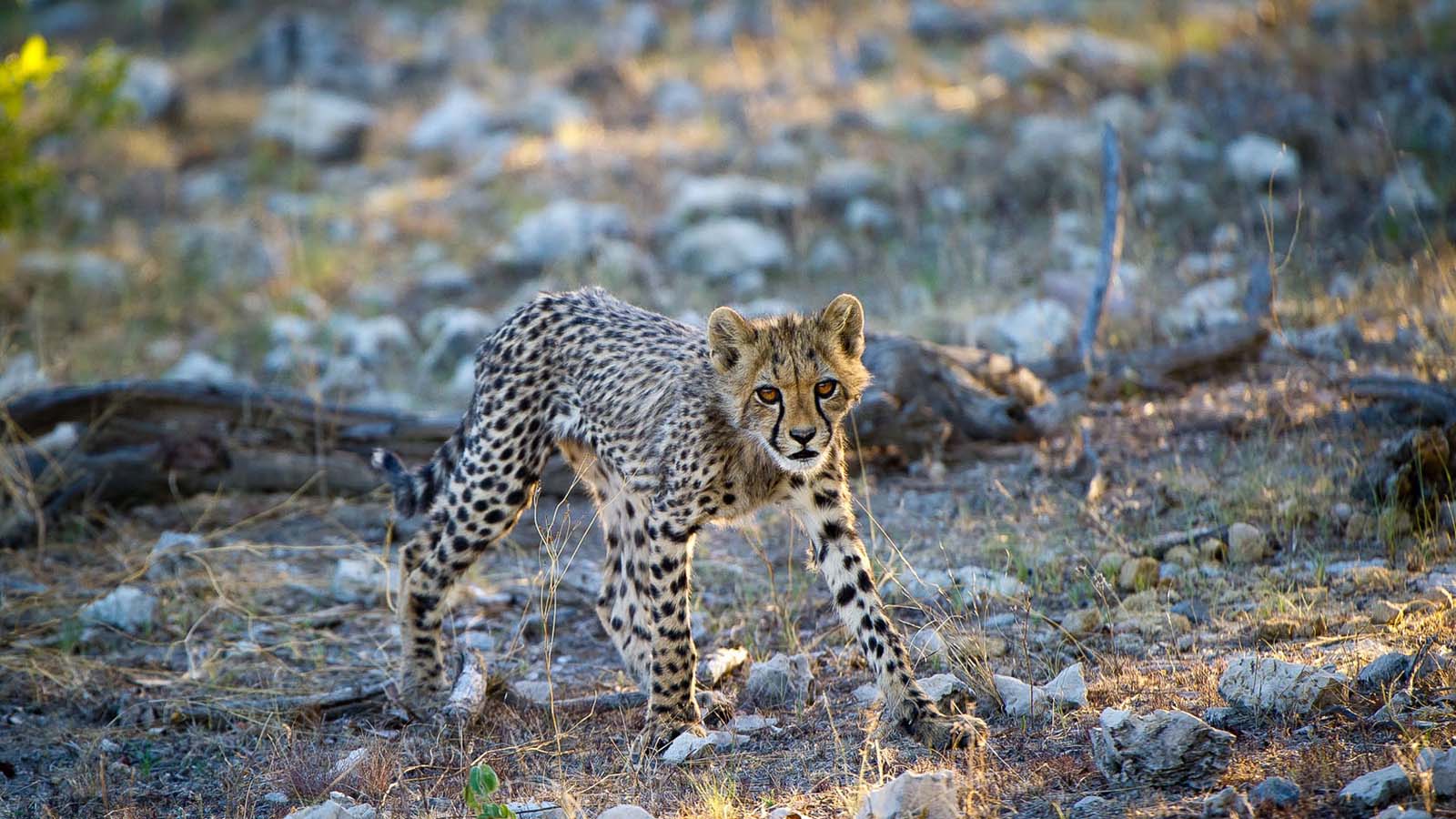
The first stop on most Namibia Holidays is Sossusvlei, a photographer's paradise where the gigantic red sand dunes change colour with the light as the sun moves through the sky. These are the largest sand dunes in the world, and this is what travellers come to see. The place to stay here is Little Kulala – a gorgeous little lodge offering climate-controlled, thatched ‘kulalas’ each with a private plunge pool, outdoor shower and a rooftop star bed to really turn the romance up. It is also in the best location to get to the dunes, avoiding the masses, which gets our thumbs up! There can also be some very unexpected wildlife opportunities such as the flighty Namibian cheetah which can be found here.Namibia Safari Holidays in Etosha National Park:
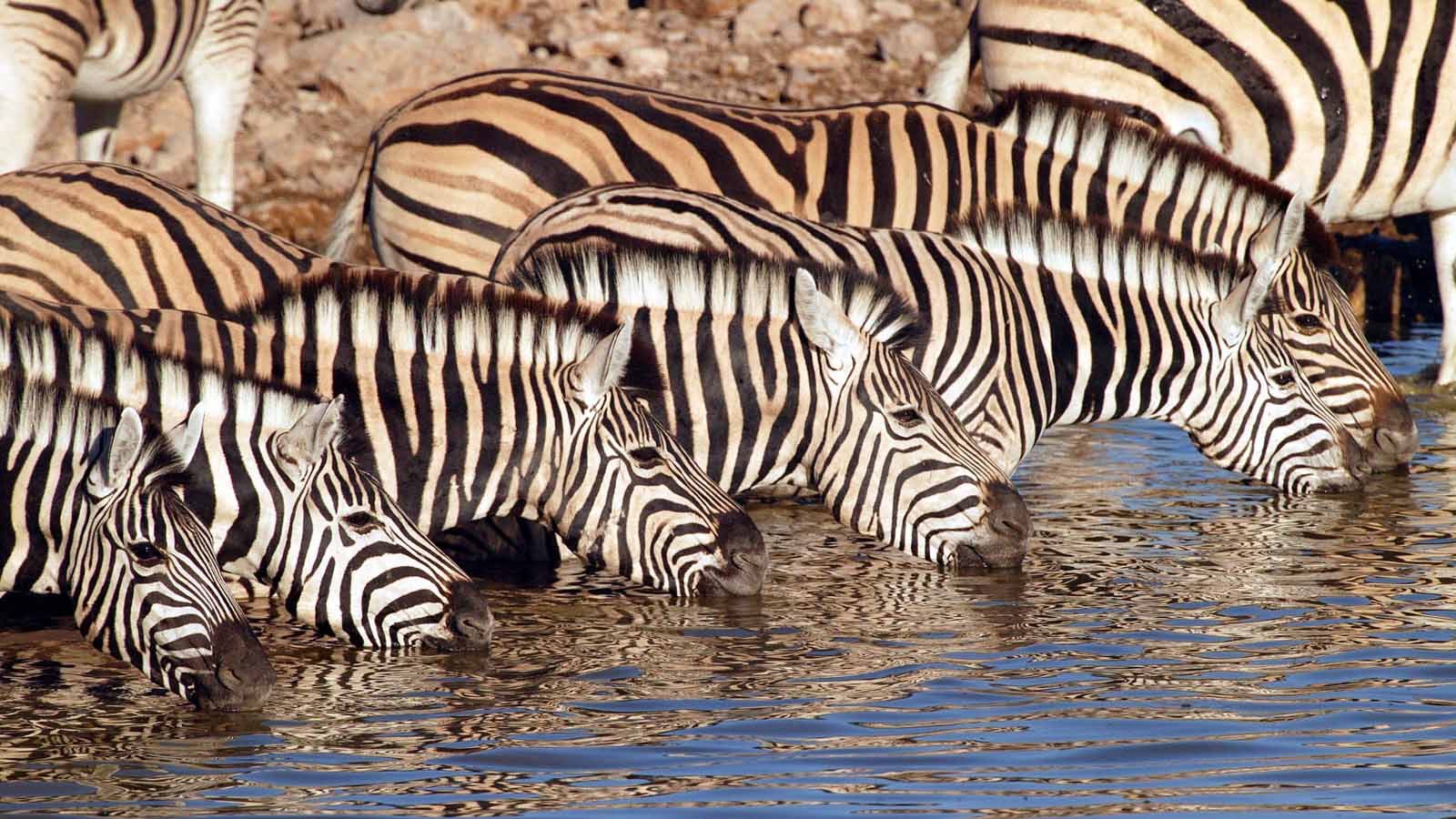
Namibia's most popular wildlife destination, Etosha offers good game viewing, but much better game viewing is available elsewhere in Africa (e.g. Botswana, Tanzania or Zambia). Three large hotel complexes inside the park accommodate literally thousands of tourists during high season. Staying here you see more tourists and vehicles than wildlife…The best place to stay in this area is Little Ongava, set in a private reserve just outside the park. This is in the same family as Little Kulala but a step up in terms of luxury, and offers the most remarkable panoramic views.
Skeleton Coast:
The Skeleton Coast is utterly wild and ruggedly beautiful. The mighty Atlantic Ocean crashes onto the shore, against a backdrop of gigantic sand dunes. Serra Cafema is the place to stay in this region. Here you can explore the hostile landscape by boat, on foot, by air or by 4x4, and there may be an opportunity to interact with the Himba tribe.Damaraland:
Damaraland is an area of stunning natural beauty, an hour's flight north of Swakopmund. This area is home to desert elephant, desert rhino, sand-dwelling lions and a myriad of other unique species which have adapted to live in this dry, inhospitable environment. The area is also the location of the Twyfelfontein rock art, an amazing collection drawn by the San Bushmen over 4,000 years ago. Desert Rhino Camp is an utterly charming little camp where the focus is on education about this endangered species. Tracking rhino on foot is the highlight of a stay here.Further Insight
For more information about a Namibia holiday be sure to take a look at our recent blog posts:
A Photographer's Dream
Alternative Experiences
Wildlife on Television
